
Let’s be honest—sugar’s everywhere. It sneaks into our morning chai, hides in “healthy” breakfast cereals, pops up in sauces, snacks, desserts, and even so-called energy drinks. In modern routines, sugar has become almost unavoidable. From rushed breakfasts to late-night cravings, sweetness quietly integrates into daily eating habits.
And hey, nobody’s here to shame a sweet tooth! Sweetness brings comfort, celebration, and joy. But while sugar makes life tastier, its long-term relationship with dental health deserves a closer look. That’s where The Sweet Truth About Sugar and Dental Health: A Complete, Practical Guide comes in.
In this guide, we’ll unpack how sugar behaves inside your mouth, why it speeds up dental damage, and—most importantly—how you can protect your teeth without sucking the joy out of eating. So grab a cup of tea (unsweetened, maybe?) and let’s dig in.
The Sweet Truth About Sugar and Dental Health: A Complete, Practical Guide — Why It Matters Today
Dental issues aren’t just about toothaches anymore. Cavities, gum disease, enamel erosion, and chronic sensitivity are becoming alarmingly common—even among people who brush daily. What gives?
Spoiler alert: sugar frequency matters more than you think.
With modern snacking habits, teeth are exposed to sugar repeatedly throughout the day, leaving little time for recovery. Understanding this process empowers you to make smarter choices, not stricter ones.
How Sugar Interacts With Teeth at a Microbial Level
Inside your mouth lives a bustling, invisible city of bacteria. Most of them are harmless—some are even helpful. But when sugar enters the scene, certain bacteria throw a full-on party.
What Happens When Sugar Hits Your Mouth?
Sugar becomes instant fuel for acid-producing bacteria. These microbes metabolize sugar and release acids as waste products. Those acids lower the pH in your mouth, setting off a chain reaction that weakens tooth structure.
Key Outcomes of Repeated Sugar Exposure
- Rapid acid production within minutes
- Sticky plaque formation on tooth surfaces
- Progressive enamel demineralization
- Increased risk of cavities and gum inflammation
The scary part? This process begins almost immediately after sugar intake—and intensifies with frequent snacking.
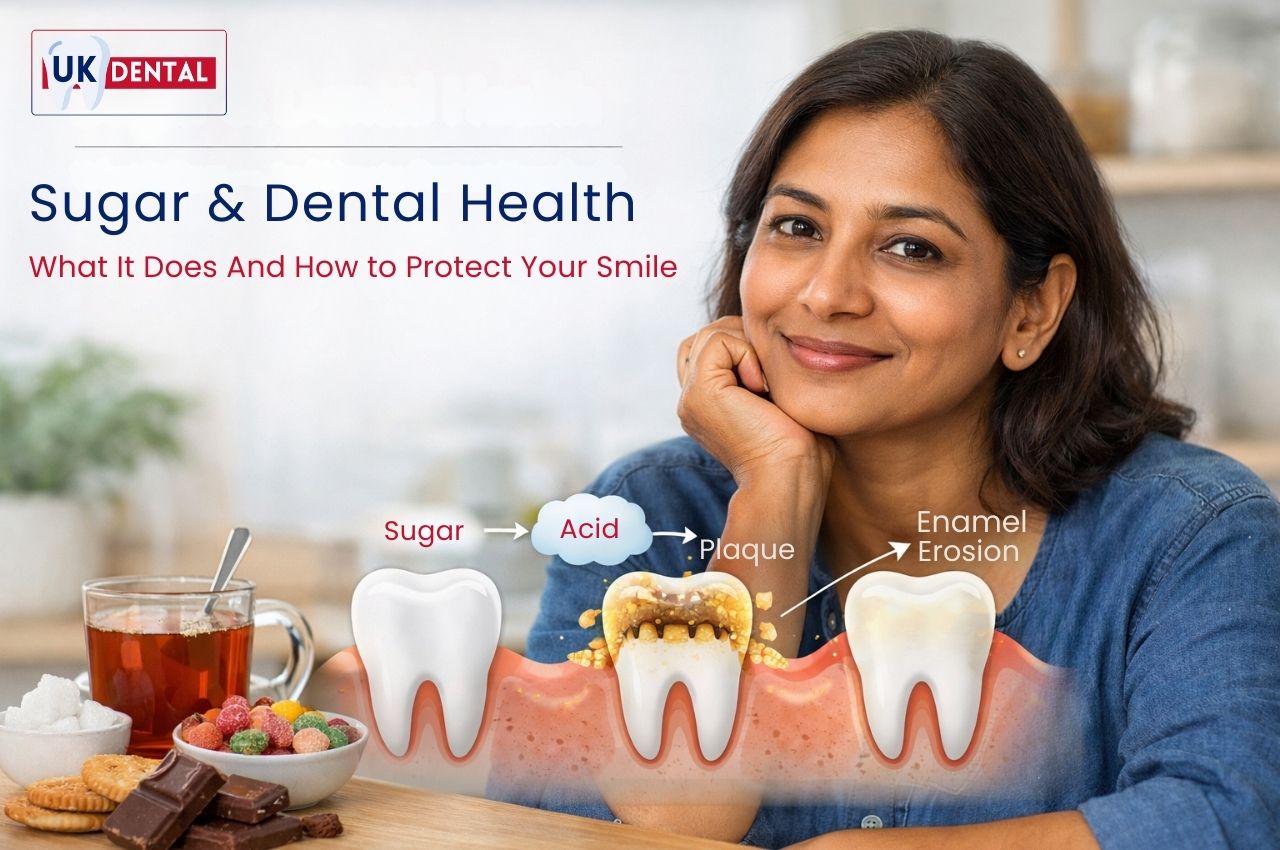
The Sugar–Acid–Enamel Cycle Explained Simply
Think of it like a loop that doesn’t quit unless you interrupt it:
Sugar Consumption → Bacterial Metabolism → Acid Production → Enamel Demineralization → Plaque & Cavities → Gum Damage
Even small amounts of sugar, consumed repeatedly, can keep this cycle running all day long. That’s why sipping sugary drinks or nibbling sweets throughout the day is worse than enjoying dessert once with a meal.
Enamel Erosion: The First Visible Warning
Enamel is your tooth’s frontline defense. It’s tough, shiny, and protective—but not invincible.
When acid attacks become routine, enamel slowly thins out. And once it’s gone? That’s it. Enamel doesn’t regenerate. Ouch.
Common Signs of Enamel Erosion
- Sensitivity to hot, cold, or sweet foods
- Yellowing teeth (dentin showing through)
- Rough or uneven tooth surfaces
- Teeth that chip more easily
Prevention isn’t optional here—it’s essential.
Cavities: When Sugar Damage Turns Structural
As enamel weakens, microscopic pores form. Over time, these tiny openings widen, allowing bacteria to dig deeper. Eventually, cavities form—and that’s when trouble really knocks.
Unchecked Cavities Can Lead To
- Persistent toothaches or sharp pain
- Infection reaching the pulp (nerve damage)
- Fillings, root canals, or extractions
- Reduced chewing efficiency and confidence
The good news? Early detection makes treatment simpler, cheaper, and far less painful.
Sugar and Gum Health: The Overlooked Connection
Here’s something people don’t talk about enough—sugar doesn’t just hurt teeth. It wreaks havoc on gums too.
When plaque builds up along the gumline, bacteria irritate gum tissue, leading to inflammation.
Typical Progression of Gum Damage
- Plaque accumulation at the gumline
- Redness, swelling, and bleeding while brushing
- Periodontal pocket formation
- Tooth loosening and eventual loss
Healthy gums rely on controlled sugar intake and consistent oral hygiene. Ignore either, and things go downhill fast.
Strategic Reduction of Sugar for Stronger Teeth
Let’s be real—cutting out sugar completely isn’t realistic. And honestly? It’s unnecessary. The goal is balance, not misery.
1. Read Ingredient Labels Like a Detective
Sugar wears many disguises:
- Sucrose
- Glucose syrup
- Fructose
- Maltose
- Corn syrup
If sugar’s listed in the first few ingredients, proceed with caution.
2. Limit Sugary Beverages
Sugary drinks are sneaky villains. They bathe teeth in acid for long periods.
Better options include:
- Plain water
- Infused water with fruits or herbs
- Unsweetened herbal teas
3. Reduce Frequent Snacking
Every sugary snack restarts the acid cycle. Structured meals give saliva time to neutralize acids and repair enamel. Small change—big impact!
Oral Hygiene Habits That Counter Sugar Damage
Even if sugar slips in (and it will!), strong oral habits can seriously reduce damage.
Must-Do Dental Habits
- Brush twice daily with fluoride toothpaste
- Floss once a day (yes, really!)
- Rinse with water after sugary foods
- Schedule regular professional cleanings
Consistency is your secret weapon here.
Healthier Sweet Alternatives That Protect Teeth
You don’t have to ditch sweetness—you just need smarter swaps.
Natural Sugar Replacements
- Xylitol: Reduces cavity-causing bacteria
- Erythritol: Doesn’t ferment in the mouth
- Stevia: Tooth-friendly and calorie-free
Whole Fruits Over Processed Sweets
Fruits contain natural sugars—but also fiber, vitamins, and textures that stimulate saliva and help cleanse teeth.
Dark Chocolate (Yes, Really!)
High-cocoa dark chocolate has less sugar and melts quickly, reducing tooth contact time compared to sticky candies. Moderation is key, though!
Long-Term Benefits of Mindful Sugar Consumption
When you manage sugar intake and strengthen oral care routines, you’re rewarded with:
- Stronger enamel retention
- Fewer dental treatments
- Healthier gums and fresher breath
- A confident, long-lasting smile
Sweetness can stay—awareness just keeps it from biting back.
FAQs: Quick Answers to Common Sugar & Dental Health Questions
Is natural sugar safer than processed sugar?
Not exactly. Natural sugars can still feed bacteria, but whole foods like fruits offer protective benefits such as fiber and saliva stimulation.
Does brushing immediately after sugar help?
Wait about 30 minutes. Brushing too soon after acid exposure can damage softened enamel.
Are sugar-free snacks always safe for teeth?
Mostly—but check ingredients. Some acidic additives can still harm enamel.
How often should I see a dentist if I consume sugar regularly?
Every six months is ideal. High-risk individuals may benefit from more frequent check-ups.
The Sweet Truth About Sugar and Dental Health: A Complete, Practical Guide — Final Perspective
Sugar isn’t the villain—it’s the habits around it that cause damage. Frequency, exposure time, and poor oral care matter far more than an occasional indulgence.
When informed dietary choices meet disciplined dental habits, magic happens. Teeth stay stronger, gums stay healthier, and life stays sweet.
With consistency, moderation, and a little awareness, you really can enjoy the sweetness of life—without sacrificing your smile for it.