
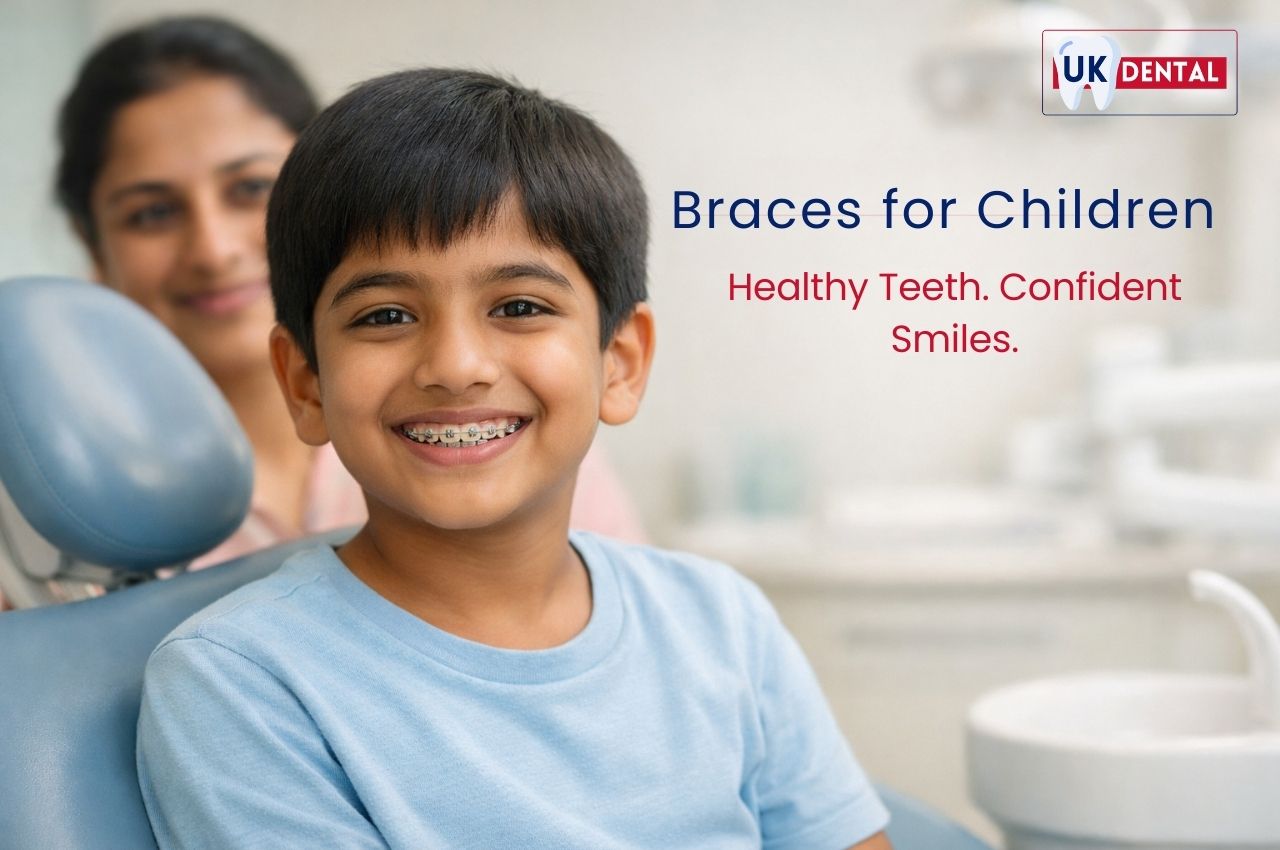

A child’s smile says more than words ever could—it signals comfort, confidence, and a sense of belonging. When teeth grow out of alignment, though, the effects ripple outward. It’s not just about how a smile looks in photos. Crooked teeth can affect chewing, speech, breathing, and even a child’s self-esteem. That’s where orthodontic care steps in, quietly but powerfully.
Restore Your Child’s Confidence with Braces: A Complete, Parent-Focused Guide to Healthy Smiles is designed to walk you through the why, when, and how of braces for children. From understanding dental development to choosing the right treatment and supporting your child emotionally, this guide keeps parents front and center. Because when kids feel supported, treatment feels less scary—and a whole lot more doable.
Why Braces for Children Are a Foundational Investment in Oral Health
Let’s clear something up right away: braces aren’t just about straight teeth. They’re about building a strong, functional foundation for lifelong oral health. During childhood, the jawbones are still growing and adaptable. That flexibility is gold in orthodontics—it allows treatment to guide development instead of correcting problems after growth has finished.
Orthodontic treatment during these formative years helps manage:
- Irregular spacing and crowding
- Overbites, underbites, and crossbites
- Premature or delayed loss of baby teeth
- Jaw deviations and functional shifts
- Oral habits like thumb sucking, tongue thrusting, and mouth breathing
- Speech articulation challenges linked to tooth position
Addressed early, these issues are often easier—and quicker—to correct. In other words, braces now can save time, cost, and discomfort later. Not a bad trade-off, right?
Understanding Dental Development in Growing Children
Dental development isn’t a straight line; it’s more like a winding road with checkpoints along the way. Children move from primary (baby) teeth to a mixed dentition phase and, eventually, to a full set of permanent teeth. Each stage plays a role in how teeth erupt and where they settle.
Despite the name, baby teeth are anything but temporary placeholders. They:
- Maintain space for permanent teeth
- Guide eruption paths
- Support jaw growth and facial structure
If baby teeth fall out too early—or hang around too long—permanent teeth may erupt at odd angles or in crowded positions. Continuous monitoring during this transition lets orthodontists intervene at just the right moment. Since no two children grow the same way, individualized assessment is key.
The Importance of Timing in Orthodontic Treatment
Timing, as they say, is everything. Intervening while a child is still growing allows braces and other appliances to work with natural development instead of pushing against it.
An early orthodontic evaluation—often recommended around age seven—doesn’t automatically mean braces right away. Think of it as a roadmap. The orthodontist identifies potential issues, tracks growth patterns, and plans ahead. Some problems benefit from early correction, while others are best addressed during adolescence.
Benefits of Well-Timed Treatment
- Reduced severity of future orthodontic problems
- Lower likelihood of tooth extractions
- Improved jaw alignment before growth completion
- Shorter overall treatment duration
When timing aligns with growth, treatment tends to be smoother and more stable in the long run.
Ideal Age Range for Braces in Children and Adolescents
There’s no universal “perfect age” for braces, but most comprehensive treatments begin between ages nine and fourteen. During this window, permanent teeth are erupting, and growth spurts can be guided to improve alignment and bite relationships.
- Younger children may receive interceptive treatment for specific concerns.
- Older adolescents often start full braces once most permanent teeth are present.
The deciding factor isn’t the calendar—it’s the child’s growth pattern. That’s why personalized evaluation matters so much.
Types of Braces Available for Children and Teens
Orthodontic technology has come a long way. Today’s braces are more comfortable, efficient, and customizable than ever.
Traditional Metal Braces
Still the most common option, metal braces are durable, effective, and surprisingly kid-friendly. Modern designs are smaller and smoother, and colorful elastics let kids show a bit of personality—because why not make it fun?
Ceramic Braces
Ceramic braces work like metal braces but feature tooth-colored brackets that blend in more naturally. They’re a popular choice for older children and teens who want something less noticeable.
Clear Aligner Systems
For selected cases and responsible adolescents, removable clear aligners may be an option. They’re discreet and comfortable but require consistent wear and good hygiene habits. Not ideal for every child, but great when the fit is right.
Clinical suitability always comes first. Appearance is a bonus—not the deciding factor.
Preparing Your Child for Braces: What to Expect
Preparation can make or break the experience. Before treatment begins, the orthodontic team conducts a thorough assessment—often including digital scans, X-rays, and photographs. A personalized plan follows, outlining timelines, expected adjustments, and care instructions.
Parents and children are usually guided on:
- Proper brushing and flossing with braces
- Dietary adjustments to protect appliances
- Managing mild discomfort after adjustments
- Scheduling and attending regular follow-up visits
Clear communication and predictable routines turn braces from a big, scary unknown into just another part of daily life.
Daily Care and Maintenance During Braces Treatment
Braces create extra nooks and crannies where plaque loves to hide. That means oral hygiene has to level up.
Daily Care Essentials
- Brush after every meal using orthodontic-friendly brushes
- Use interdental cleaners or floss threaders
- Rinse with dentist-recommended mouthwash
- Avoid sticky, hard, or overly sugary foods
Regular professional cleanings add an extra layer of protection, keeping enamel strong throughout treatment.
The Emotional and Social Benefits of Orthodontic Care
Here’s the part parents often notice most: confidence. Children who feel good about their smiles tend to participate more—in class, on the playground, and in social settings. They laugh freely, speak up, and pose for photos without hesitation.
By addressing alignment issues early, braces can prevent the self-consciousness that sometimes shadows childhood and adolescence. It’s not just about straight teeth—it’s about self-image, too.
Frequently Asked Questions (FAQs)
Do braces hurt?
Some mild discomfort is normal after adjustments, but it’s temporary. Most kids adapt quickly.
How long will my child need braces?
Treatment length varies, but many cases last between 18 and 24 months.
Can my child play sports with braces?
Absolutely—just use a protective mouthguard.
What happens after braces come off?
Retention! Wearing a retainer helps keep that hard-earned smile in place.
Conclusion: Building Lifelong Smiles Through Early Orthodontic Care
Orthodontic treatment during childhood is a forward-looking investment—one that pays dividends in comfort, confidence, and oral health. By guiding teeth and jaws into proper alignment during critical growth phases, braces reduce future complications and support smiles that work as beautifully as they look.
Restore Your Child’s Confidence with Braces: A Complete, Parent-Focused Guide to Healthy Smiles isn’t just a title—it’s a promise. With informed timing, the right appliances, and consistent care, the orthodontic journey becomes a team effort. And at the end of it all? A confident smile that lasts a lifetime.