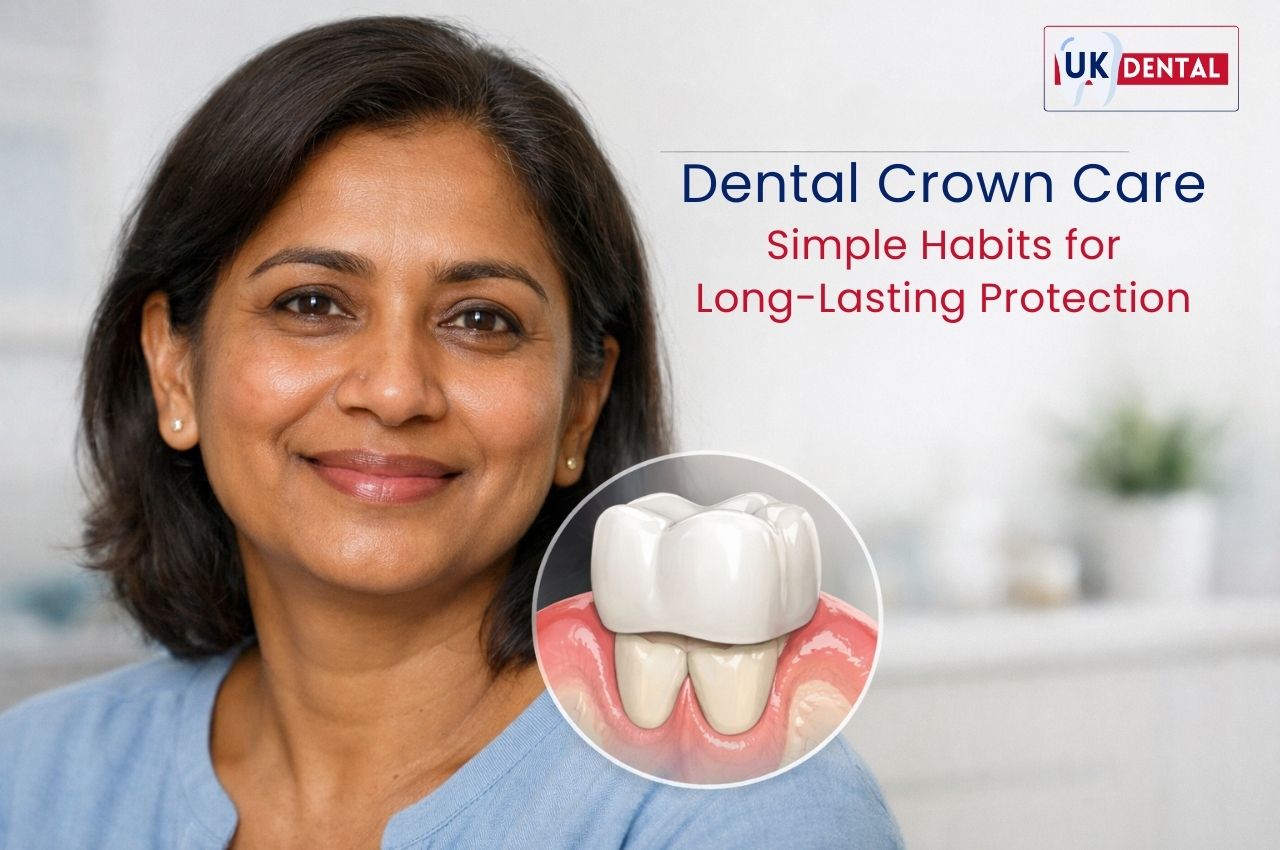

A dental crown isn’t just a cap slapped onto a tooth—it’s an investment in oral health, comfort, and confidence. Once it’s placed, it quietly gets to work, helping you chew your favorite foods, pronounce words clearly, and flash a smile that feels right. But here’s the kicker: even the best-made crown won’t last forever if it’s neglected.
That’s where Dental Crown Care: A Complete, Practical Guide to Making Your Crown Last for Years comes in. Think of this guide as your friendly, no-nonsense roadmap—packed with real-world advice, practical habits, and a few “hey, don’t do that!” reminders—to keep your crown going strong for years.
Crowns are tough, sure. Indestructible? Not even close. Daily habits, diet choices, oral hygiene, and even stress-related grinding all play a role. Stick around, and we’ll break it all down in plain English—no dental jargon overload, promise!
Understanding Dental Crowns in Daily Function
A dental crown works like a custom-fitted helmet for your tooth. It restores strength to a compromised structure, redistributes biting forces, and seals off vulnerable areas from bacteria. Sounds impressive—and it is—but crowns live in a harsh environment.
Think about it: hot coffee, cold water, crunchy snacks, acidic drinks, and nightly clenching sessions (thanks, stress!). Over time, these factors influence how well a crown performs.
Why Daily Care Matters
While crowns are engineered for durability, they rely heavily on what you do every day:
- Poor hygiene can lead to decay at the crown margins
- Uneven bite forces can crack or loosen the crown
- Gum inflammation can compromise the crown–tooth seal
Proper care protects the crown and the natural tooth underneath—because yes, that tooth still matters!
Types of Dental Crowns and Care Considerations
Not all crowns behave the same way. Materials differ, and so do their care needs. Let’s break it down.
All-Ceramic and Porcelain Crowns
Beautiful? Absolutely. Bulletproof? Not quite.
- Excellent aesthetics and natural translucency
- Ideal for front teeth
- Sensitive to excessive force and sudden temperature changes
Care tip: Avoid biting hard foods directly—no ice-chewing heroics here!
Porcelain-Fused-to-Metal (PFM) Crowns
A popular middle ground.
- Strong metal base with a porcelain exterior
- Suitable for both front and back teeth
- Porcelain layer may chip under extreme pressure
Care tip: Watch for grinding habits and address them early.
Gold Alloy Crowns
Not flashy for everyone, but incredibly durable.
- Exceptional longevity
- Gentle on opposing natural teeth
- Highly resistant to fracture
Care tip: Maintain excellent hygiene—longevity thrives on cleanliness.
Base Metal Alloy Crowns
Built like tanks.
- Strong and corrosion-resistant
- Ideal for heavy biting forces
- Rigid margins demand meticulous cleaning
Care tip: Pay extra attention to flossing around the gumline.
Daily Dental Crown Care Protocol
This is where consistency wins the game. Miss a day here and there, and small problems start sneaking in.
Precision Brushing Techniques
Brush twice daily using:
- A soft-bristled toothbrush
- Low-abrasive fluoride toothpaste
Focus on the gumline—especially where the crown meets the natural tooth. That tiny junction? It’s plaque’s favorite hangout spot.
Flossing Around Crowns (Yes, Really!)
Skipping floss because you’ve got a crown? Big mistake.
- Slide floss gently using a sawing motion
- Curve it around the crown base
- Pull out sideways to avoid lifting the crown
Bonus tools like interdental brushes or water flossers can work wonders, especially for bridges or tight spaces.
Antibacterial Rinsing
Alcohol-free mouth rinses help reduce bacteria without drying out tissues.
- Helps prevent gum inflammation
- Supports healthy crown margins
- Freshens breath—always a win
Dietary Habits That Extend Crown Longevity
What you eat (and how you eat it) matters more than you think.
Foods to Limit or Avoid
- Hard candies, ice, popcorn kernels
- Sticky treats like caramel or toffee
- Frequent acidic drinks that weaken cement bonds
Does this mean never again? Nah. Just don’t make them daily habits.
Smart Eating Practices
- Cut hard foods into smaller pieces
- Chew evenly on both sides
- Rinse with water after sugary or acidic meals
Small changes, big payoff!
Managing Bite Forces and Oral Habits
Excessive force is a crown’s worst enemy. No drama—just physics.
Night Grinding and Clenching
Bruxism quietly wreaks havoc.
- Causes micro-fractures
- Loosens cement bonds
- Shortens crown lifespan
A custom night guard acts like a shock absorber—simple, effective, and worth it.
Sports and Physical Activities
Contact sports without a mouthguard? That’s rolling the dice.
- Even one impact can fracture or dislodge a crown
- Mouthguards protect both crowns and natural teeth
Avoiding Non-Food Biting
Using teeth as tools is a hard no.
- Opening packages
- Nail-biting
- Holding objects
Your crown didn’t sign up for that job.
Professional Monitoring and Maintenance
Even if everything feels fine, routine dental visits are non-negotiable.
What Dentists Look For
- Hardened plaque around crown margins
- Uneven bite pressure
- Hidden decay beneath the crown
Early detection saves time, money, and discomfort—simple as that.
What to Do If a Dental Crown Comes Loose or Falls Out
It happens. Panic? Nope—just act smart.
Immediate Actions
- Retrieve the crown carefully
- Rinse gently with water
- Avoid chewing on that side
Temporary Precautions
- Skip sticky or crunchy foods
- Use OTC pain relief if needed
- Book a dental visit ASAP
Critical Mistakes to Avoid
- Don’t use household glue
- Don’t ignore the issue
- Don’t force the crown back
Professional reseating ensures a secure, safe fit.
Long-Term Crown Preservation Strategy
Consistency beats perfection every time.
Habit Flow:
Daily hygiene → Clean margins → Healthy gums → Stable fit → Extended crown lifespan
Stick to the basics, and your crown will thank you—quietly, for years.
Signs Your Dental Crown Needs Attention
Don’t brush these off:
- Persistent sensitivity
- Cracks or rough edges
- Swollen or bleeding gums
- Bite feeling “off”
When in doubt, get it checked. Early fixes are always easier.
Frequently Asked Questions (FAQs)
How long can a dental crown last?
With proper care, many crowns last 10–15 years—or even longer.
Can a crowned tooth still get cavities?
Yes! The natural tooth beneath is still vulnerable, especially at the margins.
Is sensitivity normal after crown placement?
Mild sensitivity is common initially, but persistent pain isn’t—get it evaluated.
Do crowns require special toothpaste?
No special brand needed—just low-abrasive fluoride toothpaste.
Can I whiten my crown?
Crowns don’t respond to whitening agents. Shade matching matters before placement.
Conclusion: The Final Word on Dental Crown Care
At the end of the day, Dental Crown Care: A Complete, Practical Guide to Making Your Crown Last for Years boils down to mindful habits and consistency. Crowns are built to serve—but they thrive when supported by good hygiene, smart eating, force management, and regular professional care.
Treat your crown like the investment it is. Do that, and it’ll reward you with years of comfort, function, and confidence—no drama, no regrets, just a smile that keeps showing up for you.
And hey, that’s something worth protecting, right?