
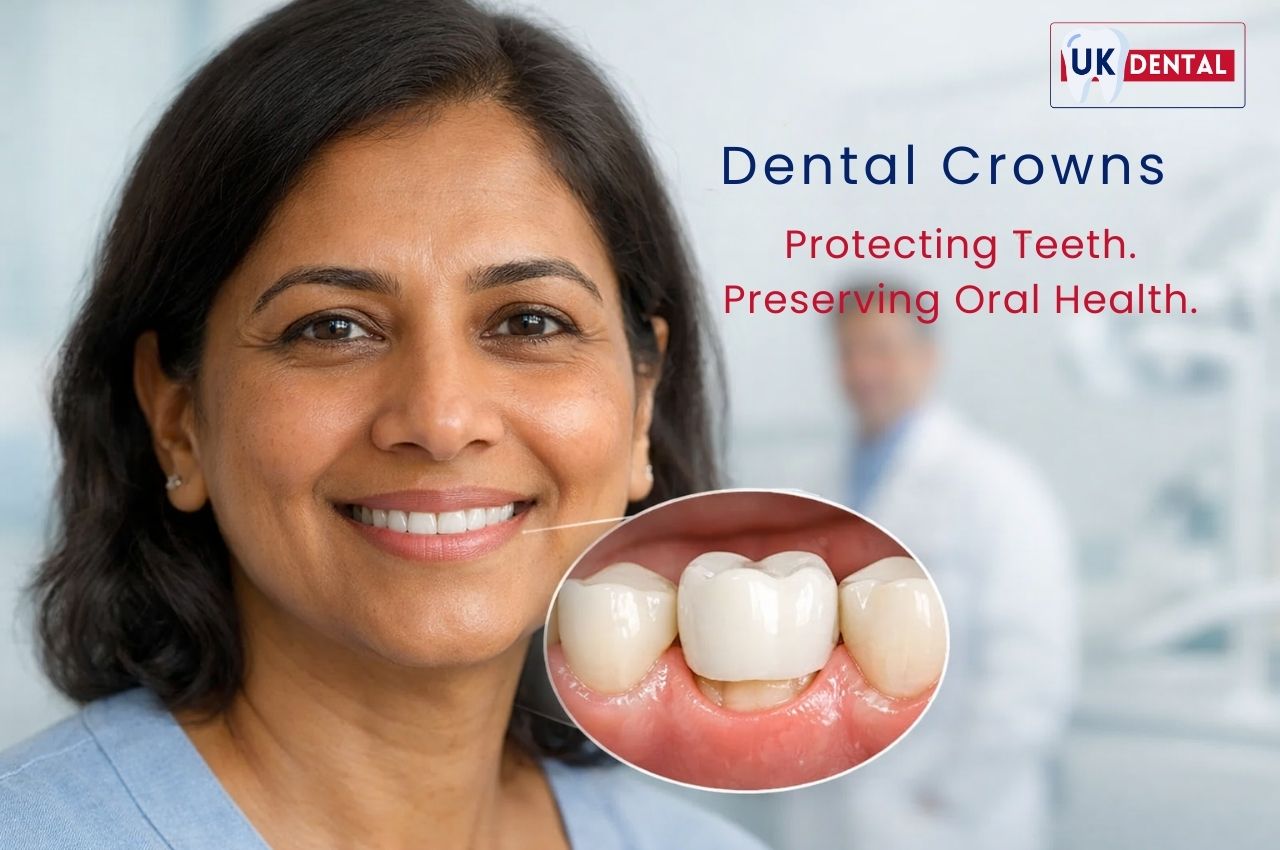

Let’s be honest—teeth go through a lot. From daily chewing and grinding to unexpected accidents and slow, sneaky decay, our teeth are constantly under pressure. When damage strikes, dentistry doesn’t just patch things up and hope for the best. Instead, it relies on time-tested, intelligently engineered solutions. And right at the top of that list sits Dental Crowns: A Comprehensive Guide to Their Essential Role in Long-Term Oral Health—a topic that’s as clinically important as it is surprisingly fascinating.
Dental crowns remain one of the most dependable restorative solutions in modern dentistry. We lean on them to restore function, preserve natural tooth structure, enhance aesthetics, and support advanced treatments such as root canals, implants, and bridges. When designed and placed correctly, a dental crown does far more than cover a tooth—it quietly safeguards oral health for years to come.
This in-depth, friendly, and practical guide breaks down what dental crowns really do, when they’re recommended, how they’re made, and why they continue to be a cornerstone of long-term oral health. So grab a coffee, settle in, and let’s unpack it—step by step.
What a Dental Crown Achieves in Clinical Dentistry
At its core, a dental crown is a custom-made cap that fits snugly over the visible portion of a tooth. But calling it “just a cap” is like calling a helmet “just a hat.” A crown restores a tooth’s original shape, size, strength, and appearance while sealing and protecting the structure beneath.
Dental crowns are engineered to:
- Encapsulate weakened or damaged tooth material
- Redistribute biting and chewing forces evenly
- Restore natural anatomical contours for alignment
- Prevent bacterial infiltration and further decay
Unlike temporary fixes, crowns are built for the long haul. They’re designed to handle daily wear, late-night snacks, and everything in between—no shortcuts involved.
Protection of Structurally Compromised Teeth
When a tooth loses structural integrity, things can go downhill fast. Large cavities, fractures, or multiple restorations leave teeth vulnerable to cracking under pressure. Here’s where crowns step in like silent bodyguards.
A crown acts as a protective shell, absorbing functional loads that would otherwise stress fragile enamel or exposed dentin. By spreading forces evenly, it dramatically lowers the risk of catastrophic fracture.
This protection becomes essential when:
- Large fillings leave minimal natural tooth structure
- Cracks extend from enamel into dentin
- Teeth are worn down by grinding (bruxism) or erosion
Fully covering the tooth stabilizes it, buys time, and—more often than not—prevents tooth loss altogether.
Reinforcement After Root Canal Treatment
Root canals have an unfair reputation, don’t they? In reality, they relieve pain and stop infection in its tracks. But once the pulp is removed, the tooth loses internal hydration and becomes more brittle over time.
That’s why placing a crown afterward isn’t optional—it’s strategic.
A crown after root canal treatment:
- Restores mechanical strength
- Prevents splitting under chewing forces
- Seals the tooth against bacterial re-entry
- Extends the functional lifespan of the tooth
Skipping the crown? That’s rolling the dice. Root-canal-treated teeth without crowns are far more likely to crack or fail. Not worth the gamble.
Aesthetic Enhancement With Natural Integration
Function matters—but let’s not pretend appearance doesn’t. Thankfully, modern dental crowns are masters of disguise.
Advances in materials and digital dentistry allow for remarkable color matching, translucency, and texture. The result? Crowns that blend seamlessly with neighboring teeth.
Crowns are commonly used to:
- Mask permanent discoloration
- Correct misshapen or uneven teeth
- Improve smile symmetry
- Restore teeth damaged by trauma
When crafted and placed properly, a crown is virtually indistinguishable from a natural tooth—even under close inspection.
Materials Used in Modern Dental Crowns
Not all crowns are created equal. Different clinical situations call for different materials, each balancing strength, aesthetics, and cost.
Common Crown Materials
All-Ceramic / All-Porcelain
Ideal for front teeth due to superior aesthetics and lifelike translucency.
Porcelain-Fused-to-Metal (PFM)
Offers durability with acceptable aesthetics; often used for posterior teeth.
Zirconia
Exceptionally strong, metal-free, and increasingly natural-looking—great for both front and back teeth.
Metal Alloys (Gold or Base Metal)
Highly durable and conservative of tooth structure, usually reserved for non-visible areas.
Material selection depends on bite force, tooth position, aesthetic expectations, and even oral habits. One size? Definitely doesn’t fit all.
Crowns as Structural Support for Implants and Bridges
When teeth are missing, crowns don’t just repair—they replace.
Crowns on Dental Implants
After an implant integrates with the jawbone, a crown is attached to the abutment. This crown:
- Restores chewing efficiency
- Maintains jawbone stimulation
- Preserves facial structure
- Functions independently without affecting adjacent teeth
Crowns in Dental Bridges
Crowns also anchor bridges by securing them to neighboring teeth, ensuring stability and proper load distribution during chewing. Without crowns, bridges simply wouldn’t work.
Functional Benefits Beyond Appearance
Here’s where things get interesting. A well-fitted crown doesn’t just look good—it feels right.
Crowns help to:
- Normalize bite alignment
- Improve speech clarity
- Enable comfortable chewing
- Prevent drifting of nearby teeth
By restoring proper anatomy, crowns support balanced oral mechanics. In other words, everything works together the way it should—no awkward adjustments required.
Step-by-Step Dental Crown Procedure
The crown process is precise, methodical, and surprisingly smooth.
Clinical Examination → Tooth Preparation → Impression (Digital or Physical) → Temporary Crown → Permanent Crown Fabrication → Cementation & Bite Adjustment
Each step is carefully executed to ensure comfort, accuracy, and long-term success. No guesswork. No rushed decisions.
Longevity and Durability of Dental Crowns
With proper care, crowns typically last 10–15 years or longer—sometimes much longer.
Longevity depends on:
- Oral hygiene habits
- Crown material
- Bite forces and grinding
- Regular dental checkups
Crowns are tough, but they’re not invincible. Treat them well, and they’ll return the favor.
Post-Crown Care and Maintenance
Maintaining a crown isn’t complicated—it just requires consistency.
Best practices include:
- Brushing twice daily with non-abrasive toothpaste
- Flossing carefully around crown margins
- Avoiding excessive force on hard foods
- Wearing a night guard if you grind your teeth
- Scheduling routine dental visits
Healthy gums and underlying teeth are the unsung heroes of crown longevity.
Cost-Effectiveness and Clinical Value
While crowns involve an upfront investment, they’re remarkably cost-effective over time.
By preserving natural teeth, crowns:
- Reduce the need for extractions
- Prevent bone loss
- Avoid more invasive procedures later
In preventive dentistry, that’s a big win.
Why Dental Crowns Remain a Cornerstone of Restorative Dentistry
There’s a reason Dental Crowns: A Comprehensive Guide to Their Essential Role in Long-Term Oral Health keeps coming up—they work.
Crowns protect weakened teeth, support advanced restorations, restore confidence, and keep smiles functional for years. With modern materials and precise techniques, outcomes are predictable, durable, and natural-looking.
Frequently Asked Questions (FAQs)
Do dental crowns hurt to get?
Not really. Local anesthesia keeps things comfortable, and post-procedure sensitivity is usually mild and temporary.
Can crowns look natural?
Absolutely. Modern crowns are designed to blend seamlessly with surrounding teeth.
Are crowns better than fillings?
When damage is extensive, yes. Crowns provide full coverage and superior protection.
How soon can I eat after getting a crown?
Once anesthesia wears off, you can eat—though it’s best to avoid hard foods initially.
Conclusion
Dental crowns represent the perfect blend of science, craftsmanship, and individualized care. They don’t just fix teeth—they protect investments, restore confidence, and quietly support long-term oral health.
When chosen thoughtfully, placed precisely, and maintained properly, crowns remain one of the most reliable tools dentistry has to offer. And honestly? That’s something worth smiling about.